
An awards dinner can look effortless on the night while hiding months of decisions, supplier coordination and risk management behind the scenes. If you are working out how to plan awards dinners for a corporate audience, the real challenge is not just making the event impressive. It is making sure the format, venue, timings and guest journey all support a polished evening without putting pressure on your internal team.
The strongest awards dinners feel well judged rather than overdone. Guests arrive easily, the room has impact, food is served on time, speeches stay tight, AV works first time and the evening finishes when it should. That does not happen by chance. It comes from clear planning decisions made early, with enough control built in to avoid expensive last-minute fixes.
Before you compare venues or speak to production companies, define what success looks like. Some awards dinners are about employee recognition and retention. Others are client-facing and built to reinforce brand position, celebrate partners or support business development. The answer shapes everything from room style to entertainment.
If the event is internal, your priorities may include atmosphere, accessibility, team inclusion and a balanced budget. If it is external, the focus often shifts to brand presentation, hospitality standards, sponsor visibility and a sharper running order. Both can be successful, but they need different decisions.
This is where many teams lose time. They start with broad ideas, then discover too late that the venue cannot support staging, the dinner service is too slow for the awards format, or the budget has been spent in the wrong places. A short planning brief at the start avoids that drift. It should cover guest numbers, audience profile, preferred location, target date, budget range, event purpose and any non-negotiables such as overnight rooms, accessibility requirements or branding opportunities.
Awards dinners can become expensive quickly because the costs sit across multiple suppliers. Venue hire, catering, drinks, production, entertainment, furniture, theming, accommodation and transport all compete for the same budget. Without a clear cost framework, it is easy to overspend on visible elements and underfund the parts that affect delivery.
A practical way to manage this is to decide early where the event needs to feel premium and where it simply needs to work well. For example, audience-facing production, smooth registration and strong food service usually matter more than novelty extras. Guests remember whether they could hear the winners, whether the room felt flat and whether they were kept waiting between courses. They rarely remember every decorative detail.
It also helps to build a contingency from the start. Awards dinners often involve late guest changes, upgraded staging requirements, extra technician hours or revised table plans. A budget with no flexibility usually creates more pressure later.
For many corporate teams, venue sourcing is where the biggest savings and time efficiencies sit. The right venue can reduce production spend, simplify logistics and improve delegate flow, while strong rate negotiation protects the budget before planning has fully ramped up.
A good venue for an awards dinner is not simply one with a ballroom and a three-course menu. It needs to work operationally.
Look closely at access times, rigging restrictions, ceiling height, power supply, backstage or holding space, loading access and whether the venue has experience with live awards formats. A room that looks impressive in photographs may still create problems if there is nowhere to store trophies, no practical stage access or limited time for set-up.
Guest experience matters just as much. Consider arrival flow, cloakroom provision, bar location, toilet capacity, breakout space and acoustic quality. If guests are moving from drinks reception into dinner, the transition should feel easy rather than congested.
Location also affects attendance. A central venue may increase guest uptake and reduce transport planning, but it may carry higher costs. A regional property with accommodation on site may offer better value and a simpler finish, especially if guests are travelling from multiple offices. There is no fixed rule here. The right answer depends on your audience, the profile of the evening and how much time guests can realistically commit.
One of the most common issues at awards dinners is poor pacing. If the drinks reception is too long, dinner starts late. If service drags, speeches lose attention. If the awards section is too long, the room drops. The evening needs momentum.
Start with the points that cannot move, such as guest arrival, dinner service timings, venue curfew and transport departures. Then build the event around those constraints. In most cases, shorter speeches and a disciplined awards script produce a better experience than trying to squeeze too much content into the programme.
Think carefully about where the awards sit. Running them after the main course often works well because guests are settled and service pressure has eased. Leaving all awards until very late can be risky, particularly on a weekday when guests may start leaving early.
Your host or MC has a significant role here. A confident presenter keeps the room together, fills transitions and maintains pace. That is especially valuable when there are sponsor mentions, winner walk-ups or category changes to manage.
Awards dinners depend heavily on technical delivery. Stings, walk-on music, winner graphics, microphones, lectern lighting and screen content all need testing under live conditions. A rushed rehearsal usually leads to slow cues and visible uncertainty.
Give enough time for your speakers, host and production team to run key sequences in the room. It saves time later and protects the standard guests see.
When people think about awards dinners, they often focus on the stage set, trophies and entertainment. Guests, however, judge the evening from the moment they receive the invitation.
Registration should be clear and quick. Dietary requirements need to be captured accurately. Seating plans should support the purpose of the event, whether that means mixing departments, prioritising sponsors or placing senior stakeholders carefully. If guests are staying overnight, accommodation and check-in arrangements should feel coordinated rather than left to chance.
For larger events, communication becomes part of the delivery. Guests need to know the dress code, arrival time, parking arrangements, nearest station, hotel details and when the evening is expected to finish. Clear pre-event information reduces queries and avoids avoidable delays on the night.
A strong table plan can improve networking, recognition and guest comfort. It can also prevent awkward imbalances, such as placing senior leaders too far from the stage, splitting teams in the wrong way or clustering unfamiliar guests without a host.
For employee awards, think about who should share the moment with shortlisted individuals. For client events, look at who should be introduced naturally across the evening. Good seating decisions often have more impact than expensive embellishments.
An awards dinner usually involves several suppliers working to a tight schedule. Venue operations, caterers, AV, entertainment, branding, photographers, furniture teams and accommodation providers all need the same information at the right time.
This is why a single master document matters. Your event schedule, supplier contacts, room layouts, timings, catering notes, branding positions, table plans and contingency actions should sit in one controlled version. When details are spread across separate email trails, errors creep in.
A single point of contact also makes a measurable difference. Internal teams are often stretched, and chasing updates from multiple suppliers adds unnecessary administration. Bringing venue, logistics and guest accommodation under one managed process saves time and reduces the chance of conflicting instructions. That is where experienced support can remove a significant amount of pressure.
Even well-run awards dinners change in the final week. VIP attendance may shift. Dietary requests can increase. A category sponsor may want extra branding. A winner video may arrive late. The issue is not whether change happens, but whether the event plan can absorb it.
Protect yourself by confirming deadlines, locking critical decisions early and identifying what can flex without affecting the guest experience. Keep spare place cards, print extras of key materials, carry final scripts on and offline, and make sure someone owns live decision-making on site.
If your event includes accommodation, late rooming changes should be tracked carefully. Hotel allocations, guest names and arrival patterns can become surprisingly complex close to the date, especially for multi-office or international attendance.
The simplest way to reduce risk is to avoid carrying too much internally. Awards dinners often sit alongside full-time roles, which means planning gets squeezed between other priorities until the event enters its busiest phase.
A structured planning partner can speed up venue search, negotiate better commercial terms, centralise supplier communication and keep the delivery schedule moving. For businesses that need fast options and dependable coordination, that support is often the difference between a controlled project and a stressful one. International Events, for example, works with corporate clients who need venue proposals quickly and want one expert point of contact across the process.
The best awards dinners do more than look good in photographs. They reward people properly, reflect the business well and run to plan without draining internal resource. If you approach the evening as an operational project as much as a celebratory one, you give yourself a far better chance of delivering an event that feels effortless for everyone in the room.
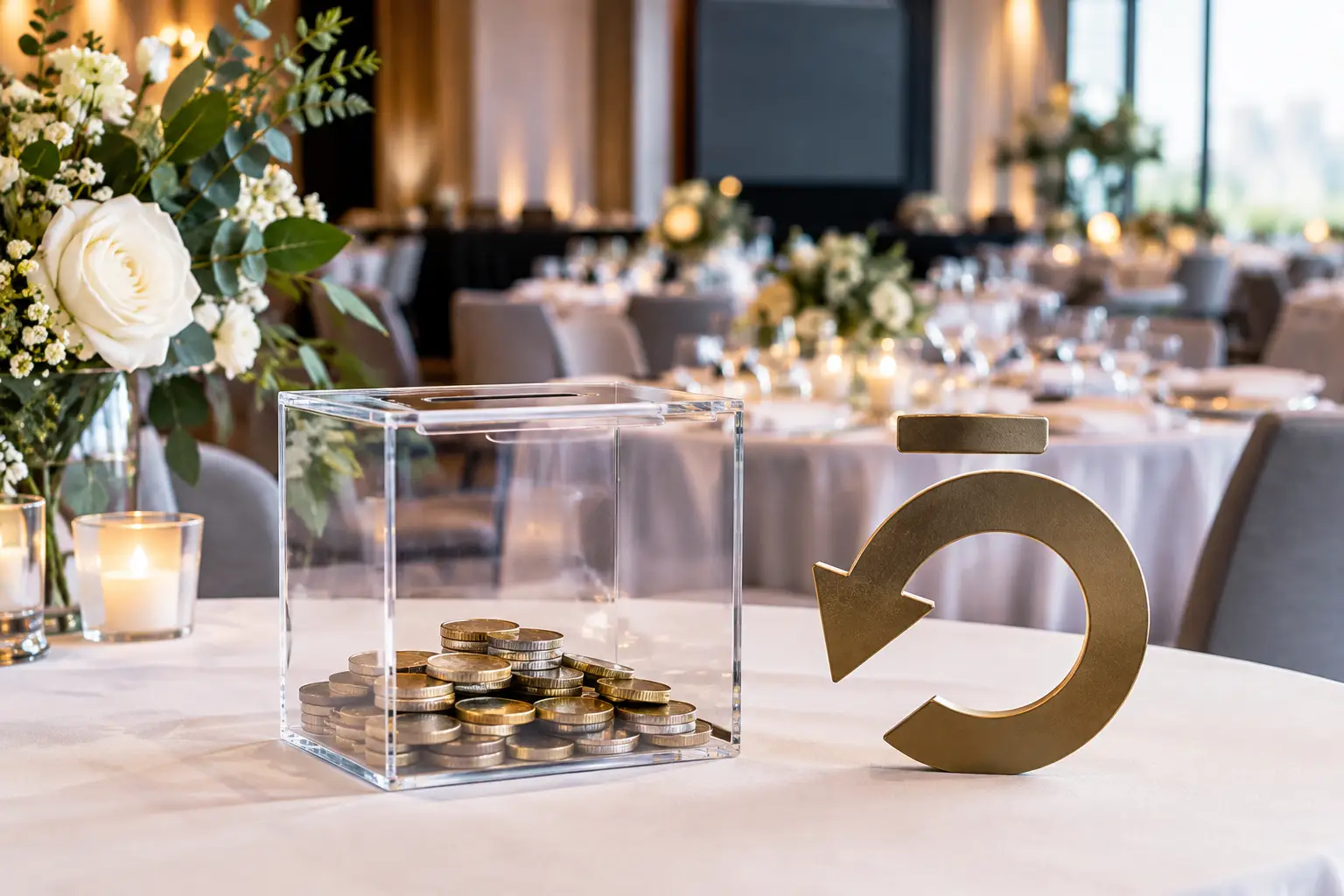
When are event deposits refundable? Understand contracts, cancellation terms and force majeure to protect your corporate event budget and booking plans.
Read more
Choose the best conference hotels for delegates with a practical checklist covering location, bedrooms, meeting space, service, budget and booking control.
Read more
Compare the best delegate management platforms for corporate events, from registration and payments to reporting, integrations and hands-on support teams.
Read more
Copyright International Events Incorporated.
All rights reserved
Copyright International Events Incorporated.
All rights reserved

Fill in the following details. We respect your privacy, we don’t spam.
Fill in the following details. We respect your privacy, we don’t spam.  Or call us on 07715 242282
Fill in the following details. We respect your privacy, we don’t spam. Or call us on 07715 242282


 Enquire now


