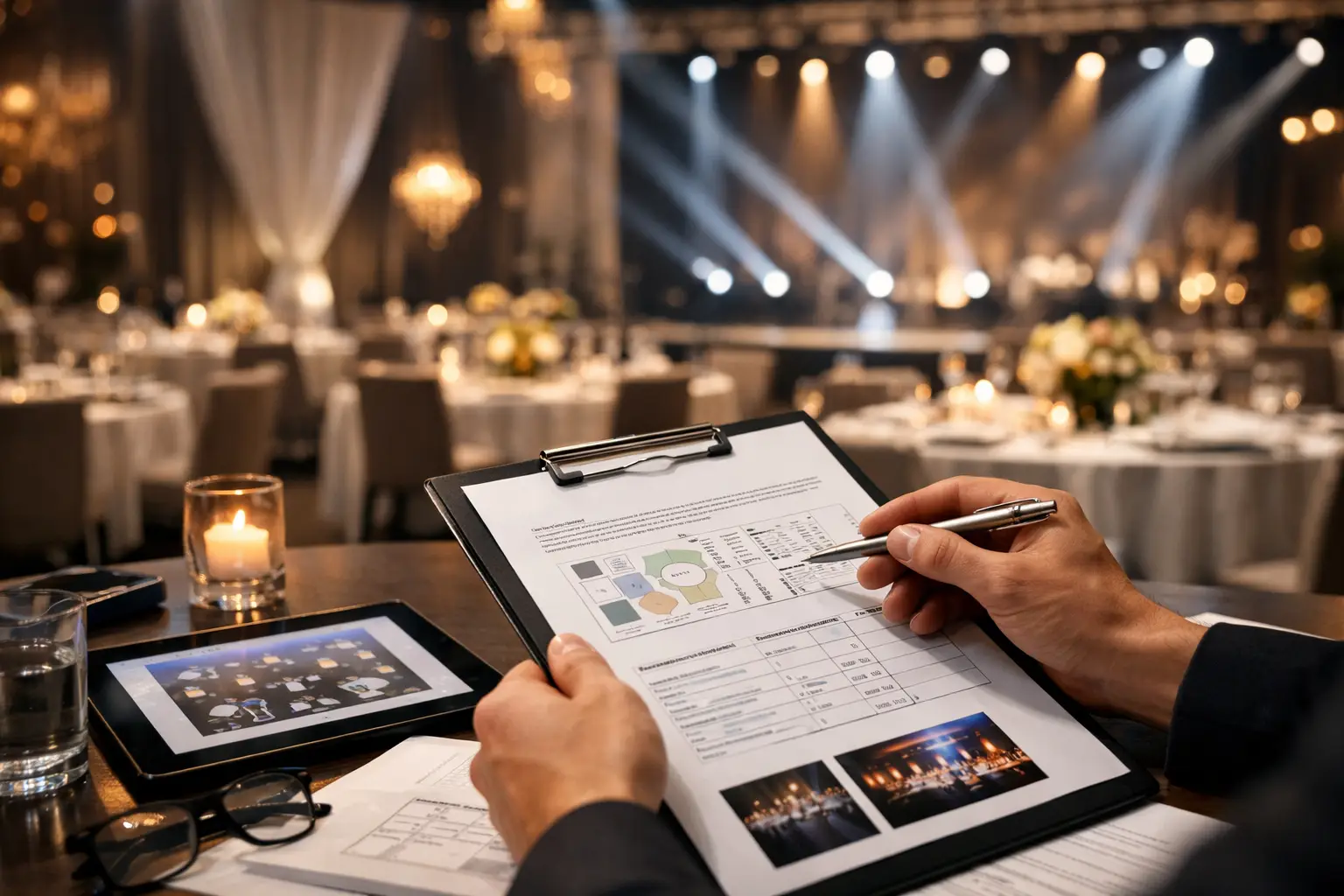
A vague event brief creates expensive problems later. It leads to unsuitable venue options, unclear supplier quotes, last-minute compromises and extra work for the person already responsible for keeping everything on track. Knowing how to write an event brief properly gives every partner a clear route to the same outcome: an event that meets its objectives, reflects your brand and stays within budget.
For corporate events, the brief is not simply an administrative formality. It is the document that turns a broad request – such as “we need a conference for 200 people” – into an actionable plan. The clearer it is, the faster a venue-finding or event management partner can identify suitable options, negotiate effectively and flag risks before they become costly.
The strongest event briefs begin with purpose. Before considering locations, menus or entertainment, define why the event is happening and what success looks like for the business.
A leadership conference may be designed to align teams around a new strategy. An awards dinner might be about recognition, retention and bringing colleagues together. A client event could be focused on strengthening relationships or generating new opportunities. Each objective influences the format, atmosphere, venue style and measures of success.
Be specific where possible. Rather than writing “improve engagement”, explain that you want delegates to leave with a clear understanding of the new operating model, or that you need 80 per cent of attendees to take part in an interactive workshop. This gives event specialists the context to recommend an approach, rather than merely supplying a room.
Once the objective is clear, set out the practical facts that shape every recommendation. These are the non-negotiables a venue or supplier needs before they can respond accurately.
State the preferred date, the event start and finish times, and whether guests will need access for registration, rehearsals, set-up or breakdown. If dates are flexible, say so. A one- or two-day window can significantly increase venue availability and create more room for negotiation.
Also identify whether the event sits alongside another business activity. For example, delegates may be travelling from a board meeting, arriving from overseas or staying for a second day of workshops. These details affect travel planning, accommodation requirements and the pace of the agenda.
Give an expected attendance figure, but include a realistic range if numbers are still moving. A venue suitable for 150 people may not work comfortably for 200 once staging, catering stations and networking space are included.
The attendee profile matters just as much. Are delegates senior leaders, employees from multiple offices, clients, graduates or international visitors? Consider their travel needs, accessibility requirements and expectations. A formal executive audience may need a central location with premium meeting facilities, while a team-building day could benefit from outdoor space and a less traditional setting.
Set out the preferred city, area or travel radius, along with any transport priorities. This could include proximity to a railway station, airport access, parking, coach drop-off points or easy connections for delegates travelling from several regional offices.
Avoid limiting the search too early unless location is genuinely fixed. A slightly wider radius can reveal venues with better availability, more suitable space or stronger value. The right decision depends on your audience: convenience may outweigh cost for a short senior leadership meeting, while a larger conference may justify a destination venue with overnight accommodation.
A useful event brief shows how people will move through the day. This enables venues to assess not only whether they have enough capacity, but whether the space will support the experience you want to create.
Describe the main format: conference, exhibition, awards dinner, product launch, summer party, Christmas party, team-building activity or a combination of these. Then outline the agenda at a high level. Include registration, plenary sessions, breakouts, catering, networking, entertainment and any evening programme.
For each element, identify the preferred room layout and capacity. Theatre-style seating, cabaret tables, classroom layouts, boardroom meetings and standing receptions all require different amounts of space. If you need breakout rooms, specify how many, their approximate capacities and whether they must be close to the main room.
It is equally helpful to note the feel you are aiming for. Terms such as modern, formal, creative, premium or relaxed give context, but should be supported by practical detail. For instance, a premium awards dinner may require a room suitable for staging, a large screen, a drinks reception and a seated three-course meal, rather than simply “an impressive venue”.
Budget conversations can feel difficult, particularly when internal approval is still pending. However, withholding the available spend often results in unsuitable proposals and wasted time.
Provide an overall budget where possible, then clarify what it needs to cover. Does it include venue hire, catering, accommodation, audiovisual production, entertainment, branding, transport, staffing and contingency? If you have separate budgets for different elements, make that clear.
A good brief should also distinguish between fixed limits and areas where there is flexibility. You may have a firm per-person ceiling for accommodation but be prepared to invest more in production because the content needs to make an impact. This allows your event partner to protect the priorities that matter most instead of making assumptions.
Remember to account for costs that are often missed in early planning, including VAT, service charges, minimum food and beverage spends, crew meals, security, cloakroom provision, late licences and overnight storage. A lower venue hire fee does not always mean a lower total event cost.
For residential events, include the number of bedrooms required, check-in and check-out dates, room types and any anticipated changes. State whether delegates will pay individually, whether rooms are centrally billed and whether you need a rooming list process that reduces administration for your internal team.
Catering deserves more than a line saying “tea and coffee”. Note the expected meal schedule, dietary requirements, service style and any priorities around quality, speed or sustainability. A working lunch for a tightly timed conference needs a different approach from a relaxed networking dinner.
Accessibility should be considered from the outset, not added as a late amendment. Mention step-free access, hearing support, accessible bedrooms, dietary needs, quiet spaces, prayer facilities or any requirement for a venue to accommodate assistance dogs. The more openly these requirements are addressed, the easier it is to create an event that works for every delegate.
Your brief should explain what is already confirmed and where support is needed. You may have an existing production agency, preferred photographer or approved caterer. Equally, you may need help sourcing every supplier from audiovisual technicians to hosts, entertainers, transport and event staff.
Set out any essential technical requirements, such as stage size, screens, lighting, microphones, hybrid event capability, reliable Wi-Fi or space for exhibition stands. If senior executives are presenting, note the need for rehearsals, confidence monitors, lecterns or teleprompting. These details affect venue suitability and supplier costs.
Include your brand requirements too. This might cover brand colours, signage, presentation templates, event themes, tone of voice and approval processes. A polished event feels joined up because the operational details and the brand experience have been planned together.
Even an excellent brief can stall if nobody knows who is approving the shortlist or when a decision will be made. Name the key stakeholders, indicate who has final sign-off and outline any procurement or legal steps that may affect contracting.
Be open about timescales. If you need a proposal within days, say so, along with the date by which the venue must be secured. This helps your event partner prioritise the search, place provisional holds where appropriate and manage supplier expectations.
It is also worth identifying the preferred communication route. A single internal point of contact can prevent contradictory feedback and keep the process moving. For busy teams, this is one of the greatest advantages of working with a specialist partner: venue, hotel and supplier conversations can be coordinated through one experienced contact rather than spread across multiple inboxes.
A complete brief does not need to have every answer before you begin. Some elements, such as final delegate numbers or entertainment choices, may develop as the event takes shape. The key is to separate confirmed information from assumptions and decisions still to be made.
A capable event partner will challenge parts of the brief when needed. They may suggest a different date to improve value, recommend a venue area that reduces travel friction, or highlight that your proposed agenda needs more space or time. That is not a failure of planning. It is how experience protects your budget and improves the delegate experience.
International Events can turn a clear initial brief into a detailed venue proposal within 12 working hours, helping corporate teams move from a requirement to credible options without carrying the full sourcing workload themselves.
Before sending your brief, read it from a supplier’s perspective. Could someone who has never attended your event understand what must happen, what cannot change and where they can offer better ideas? If the answer is yes, you have given your event the control it needs from the very first decision.

Choose the best conference hotels for delegates with a practical checklist covering location, bedrooms, meeting space, service, budget and booking control.
Read more
Compare the best delegate management platforms for corporate events, from registration and payments to reporting, integrations and hands-on support teams.
Read more
See a corporate event budget savings example showing how focused venue sourcing, hotel strategy and tighter supplier control can reduce your total spend.
Read more
Copyright International Events Incorporated.
All rights reserved
Copyright International Events Incorporated.
All rights reserved

Fill in the following details. We respect your privacy, we don’t spam.
Fill in the following details. We respect your privacy, we don’t spam.  Or call us on 07715 242282
Fill in the following details. We respect your privacy, we don’t spam. Or call us on 07715 242282


 Enquire now


