
A meeting room that looks fine on a website can still fail your event by 9.15am. The screen connection does not work, the layout feels cramped, the coffee arrives late and half your delegates are queuing at reception. That is why conference room booking is never just about finding an empty space. It is about securing a room that supports the outcome you need, without creating more work for your team.
For corporate organisers, the pressure usually comes from three directions at once – time, budget and expectations. You need a room that is available when you need it, suitable for the agenda, easy for attendees to reach and priced sensibly. If accommodation, catering or hybrid technology are also involved, the booking becomes a much bigger operational decision than it first appears.
Most problems start with speed. A stakeholder asks for an event to be arranged quickly, and the search begins with whatever appears first. On paper, the venue may tick the basic boxes. In practice, the room may be too small for the chosen cabaret layout, too dark for a full-day session, or too isolated from breakout areas and catering points.
The second issue is incomplete comparison. Rates are rarely as straightforward as they seem. A lower day delegate rate can become expensive once AV, Wi-Fi, early access, additional refreshments or room hire extensions are added. The cheapest option is not always the best-value option, particularly when delays or compromises affect the delegate experience.
There is also the hidden cost of internal time. Chasing availability, reviewing quotes, clarifying package details and negotiating terms can absorb hours from marketing teams, executive assistants, HR leads and event managers who already have full workloads. If several venues are in play, the administration grows quickly.
A strong booking process starts with the purpose of the event, not the room itself. A board strategy day, training session, client presentation and annual conference may all need four walls and chairs, but they require different environments. The right space depends on what people need to do in it.
Capacity matters, but layout matters just as much. A room for 80 delegates in theatre style may feel completely wrong for 80 delegates who need round tables, workshop stations or exhibition space. Ceiling height, natural daylight, acoustics and proximity to toilets and refreshments all affect how the day runs.
Location needs a practical lens as well. A central venue may improve attendance, but it can also increase room hire and accommodation costs. An out-of-town option may offer better value and parking, yet create travel complications for rail users. There is no universal answer. It depends on your audience, the event format and how much flexibility your budget allows.
Good conference room booking also means locking in the operational details early. Arrival flow, registration space, branding opportunities, access times, power supply, dietary requirements and cancellation terms should not be afterthoughts. These are the details that protect delivery.
Before you approve any proposal, it helps to test the room against the full event brief. Start with attendance patterns, not just invited numbers. If 120 people are invited but previous events suggest an 80 per cent turnout, that should influence room size, catering and hotel allocation.
Then look at the agenda. A room suitable for a two-hour presentation may not suit an all-day event with networking, breakout discussions and sponsor stands. If your speakers need confidence monitors, staging or video playback, those requirements should shape the shortlist from the start.
Commercial terms deserve close attention. Ask what is included, what is charged separately and when final numbers are due. A venue that appears flexible may become less so once contracts are signed. Attrition clauses, cancellation schedules and minimum spend thresholds can have a serious budget impact if plans change.
Service standards are another area where experience counts. A polished event depends on responsive venue teams, not just attractive spaces. Fast communication before the event often signals how issues will be handled on the day.
The best booking decisions usually come from getting clear on a few points at the beginning: what the event needs to achieve, how people will move through the day, what must be included in the rate and where there is room to compromise. If you know which details are essential and which are preferences, negotiations become much easier.
Fast sourcing is valuable when deadlines are tight, but speed without process can create expensive mistakes. The strongest approach combines urgency with a clear brief and disciplined comparison.
That means shortlisting rooms that fit the event on capacity, location and style, then pressure-testing each option on cost, terms and logistics. It also means asking the same questions of each venue so comparisons stay fair. Otherwise, you end up reviewing different types of quote and trying to make sense of figures that are not like-for-like.
This is where an experienced venue finding partner can make a real difference. Instead of spending days going back and forth with multiple venues, you can receive a focused proposal based on what matters most – availability, value, suitability and operational fit. For teams under pressure, that saves both time and decision fatigue.
Venue rates are not always fixed, especially for larger bookings, repeat business or off-peak dates. There may be room to negotiate on day delegate rates, room hire, complimentary upgrades, parking, AV inclusions or bedroom allocations. The result is not only lower cost. It can also be better overall value.
Negotiation is particularly useful when your event includes several moving parts. If bedrooms, private dining, breakout rooms and production support are needed alongside the main conference space, bundling those elements can improve commercial terms. It can also simplify supplier management.
Of course, negotiation has limits. A premium venue in peak season may hold firm on price, and sometimes paying more is justified if the location, service level or brand fit is materially better. The point is to know where value sits, rather than focusing on headline rate alone.
Some conference room bookings are straightforward. A small internal meeting with a familiar format may only need a quick room check and confirmation. But once attendance grows, stakeholders multiply or overnight stays enter the picture, the risk and workload increase sharply.
That is often the point where external support becomes commercially sensible. A specialist can source options quickly, benchmark rates, negotiate terms and coordinate the details that often slow internal teams down. For many organisations, that support is less about outsourcing responsibility and more about removing friction.
International Events works in that space by providing venue proposals within 12 working hours and acting as a single point of contact across venue sourcing, event logistics and accommodation. For buyers who need speed and control without adding to internal admin, that kind of model solves a very practical problem.
The best conference room booking decisions are rarely driven by one factor alone. They come from balancing delegate experience, budget discipline, accessibility, contract terms and delivery risk. Get that balance right and the event feels effortless to attendees, which is usually the clearest sign that the planning was handled well.
If you are reviewing rooms for an upcoming event, resist the temptation to choose based on availability alone. A room is not just a room once people, technology, catering and expectations are involved. A little more rigour at the booking stage usually saves a great deal of time, cost and stress later.
The most useful question is not simply, “Is this room free?” It is, “Will this room help the event run exactly as it should?”
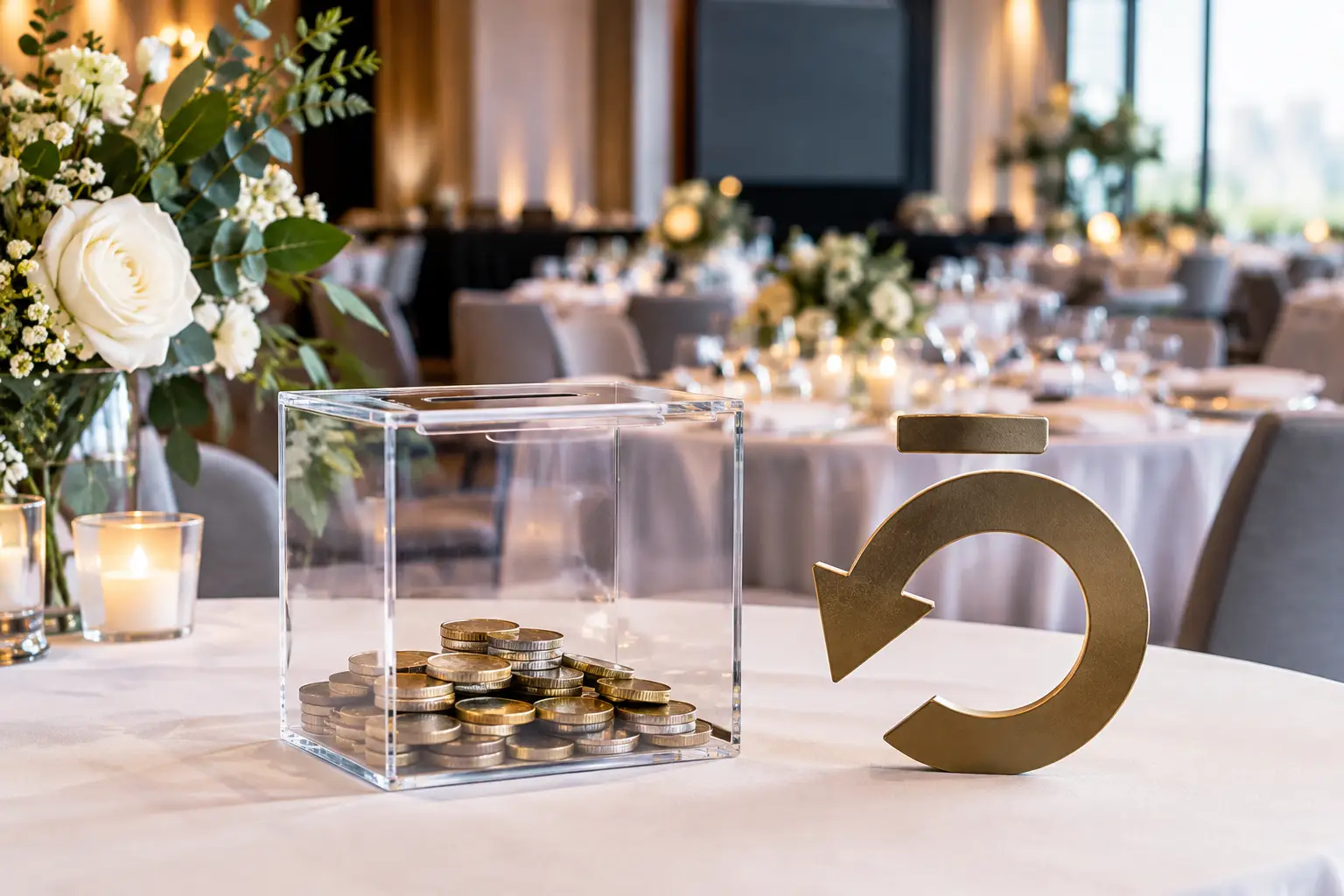
When are event deposits refundable? Understand contracts, cancellation terms and force majeure to protect your corporate event budget and booking plans.
Read more
Choose the best conference hotels for delegates with a practical checklist covering location, bedrooms, meeting space, service, budget and booking control.
Read more
Compare the best delegate management platforms for corporate events, from registration and payments to reporting, integrations and hands-on support teams.
Read more
Copyright International Events Incorporated.
All rights reserved
Copyright International Events Incorporated.
All rights reserved

Fill in the following details. We respect your privacy, we don’t spam.
Fill in the following details. We respect your privacy, we don’t spam.  Or call us on 07715 242282
Fill in the following details. We respect your privacy, we don’t spam. Or call us on 07715 242282


 Enquire now


