
When a venue quote lands well above budget, the issue is rarely just price. It is usually timing, contract terms, minimum spends, cancellation clauses, bedroom attrition, payment schedules and a dozen hidden costs that only show up once the event is underway. That is why supplier negotiation for business events matters far beyond getting a discount. Done properly, it protects budget, reduces risk and gives your team more control from enquiry to delivery.
For corporate event teams, negotiation is often squeezed into an already pressured timetable. You may be comparing venues for a conference, sourcing bedrooms for delegates, reviewing AV costs and trying to keep internal stakeholders aligned at the same time. In that context, a rushed supplier conversation can become expensive. The strongest outcomes usually come from a structured approach that looks at total value, not just the headline rate.
In business events, supplier negotiation is not a one-off conversation where you ask for a lower price and wait for a reply. It is a process of shaping a package that works operationally as well as financially. That includes venue hire, day delegate rates, accommodation, food and beverage, audiovisual support, production, transport, branding, security and staffing.
Each supplier has different pressures. A hotel may have flexibility on room rates but be firm on meeting room hire. A venue may reduce minimum spend if your date fills a gap in their calendar. An AV supplier may hold pricing if the brief is confirmed early, but add costs quickly if the schedule remains fluid. The negotiation strategy has to reflect those realities.
This is where experience makes a measurable difference. Knowing what can be moved, what is typically fixed and where suppliers build margin helps you negotiate efficiently. It also helps you avoid spending time on the wrong points while more valuable concessions go unasked.
The most effective negotiations begin before the first proposal arrives. A clear brief gives suppliers confidence and gives you leverage. If your attendee numbers, rooming requirements, timings, set-up needs and service expectations are vague, suppliers will protect themselves by pricing cautiously. That often means higher rates, stricter terms and more provisional elements.
A stronger brief should set out your preferred dates, flexibility around those dates, event format, delegate profile, technical requirements, catering expectations and budget range. It should also define any non-negotiables, such as accessibility standards, location limits or branding needs. This creates a cleaner basis for comparison and reduces the number of costly assumptions later on.
There is also a practical benefit. When suppliers can see that your team is organised and serious, they are more likely to respond quickly and put forward their best options early. That matters when you need to secure space fast and keep internal approval moving.
Many buyers focus first on venue hire because it is visible and easy to compare. In reality, some of the most meaningful savings sit elsewhere. Bedroom rates, AV packages, catering upgrades, cancellation terms, early access, furniture hire and staffing charges can have a major effect on final spend.
Take accommodation sourcing as an example. A strong room rate is important, but so are release dates, attrition thresholds, cancellation windows and the process for managing individual delegate bookings. A cheaper rate can become poor value if the terms expose your business to avoidable costs.
The same applies to catering. One supplier may appear more expensive at first glance, but include elements that another charges separately for, such as refreshments on arrival, dietary management or extended service times. Negotiation should always test the full package.
Good negotiation is commercially firm and operationally realistic. The aim is not to pressure suppliers into an unsustainable deal. It is to build an agreement that works for both sides and supports smooth delivery.
That means being transparent about priorities. If budget is tight but flexibility exists on date, say so. If stakeholder expectations are high and service quality matters more than shaving off the last few pounds, make that clear. Suppliers can often find creative ways to support your objectives when they understand where the real pressure points are.
It also means moving quickly when a strong offer is on the table. Delayed decisions can weaken your position, especially for peak dates, major cities or larger conference space. In many cases, speed is part of negotiation leverage. Suppliers are more likely to sharpen pricing or improve terms when they believe the opportunity can convert promptly.
A low quote with restrictive contract terms is rarely a good deal. For business events, the commercial risk often sits in the detail. Cancellation schedules, force majeure wording, payment milestones, exclusivity requirements, damage clauses, delegate bedroom attrition and supplier substitution rights all deserve careful review.
This is particularly important for events with moving parts across multiple suppliers. If a venue requires early deposits, the hotel has a separate cancellation structure and your production partner needs advance sign-off on technical kit, cash flow and risk exposure can become difficult to manage.
A balanced negotiation looks at how those terms interact. The goal is to create consistency where possible and avoid one supplier agreement undermining another. For internal teams, that reduces the likelihood of last-minute surprises and makes stakeholder sign-off easier.
Not every event has flexible timing, but when it does, it can create significant negotiating power. Midweek patterns, shoulder season dates and shorter lead-time gaps in a venue diary can all produce better commercial outcomes. Suppliers are managing occupancy, utilisation and staffing efficiency. If your event helps them solve a business need, they may be willing to offer stronger terms.
That said, timing cuts both ways. Leaving sourcing too late can narrow choice and weaken your ability to negotiate. High-demand dates, citywide events and seasonal pressure can push rates up quickly. Early engagement usually gives you more options, more leverage and more time to compare offers properly.
For busy corporate teams, this is where having a single point of contact can make a substantial difference. A structured sourcing process keeps enquiries moving, suppliers accountable and proposals consistent.
Suppliers negotiate differently with buyers who understand the market. They also respond differently to partners who bring regular business and know how to assess value beyond the brochure.
Buying power matters because it creates confidence. A supplier is often more willing to improve terms for a partner who can place repeat bookings, move quickly and present a well-qualified brief. Market knowledge matters because it allows you to challenge pricing, query unnecessary charges and benchmark offers against realistic alternatives.
For many organisations, this is the main advantage of working with an experienced event partner. Instead of relying on one or two direct quotes, you gain access to broader supplier comparisons, faster turnaround and negotiation informed by live market conditions. At International Events, that practical buying strength is designed to save clients time, energy and cost without adding venue-finding fees.
The first mistake is negotiating every line item equally. Some costs are fixed, some are flexible and some are less important than the terms behind them. Focusing on the wrong areas can waste time and weaken the overall result.
The second is treating suppliers as interchangeable. Two venues may look similar on paper but differ significantly in service delivery, staffing quality, flexibility and hidden charges. The cheapest option can become the most expensive once operational issues appear.
The third is failing to align internal decision-makers early. If procurement, marketing, finance and senior stakeholders all have different priorities, negotiations can stall or unravel. Clear approval criteria keep conversations focused and reduce the risk of rework.
The fourth is overlooking post-contract management. A negotiated deal only works if it is followed through. Rate accuracy, rooming list management, catering revisions, production updates and final account reconciliation all need active oversight.
If you want stronger supplier outcomes, start by tightening the brief and identifying your true priorities. Then compare full packages rather than headline pricing alone. Test where flexibility exists, ask direct questions on terms and keep decision-making moving once a viable option is presented.
It is also worth recognising when the process needs support. For straightforward, low-risk events, a direct negotiation may be enough. For larger conferences, multi-supplier programmes, accommodation-heavy events or tight-turnaround briefs, specialist support often pays for itself in saved time and improved commercial terms.
The strongest event negotiations do not feel dramatic. They feel controlled. The right venue is secured quickly, the contract reflects the reality of the event, the supplier understands what success looks like and your internal team is not left chasing details across multiple contacts.
That is the real value of supplier negotiation for business events. It gives you room to focus on the event itself, rather than firefighting the deal behind it.
When budgets are under pressure and expectations are high, the smartest negotiation is the one that leaves fewer problems to solve later.
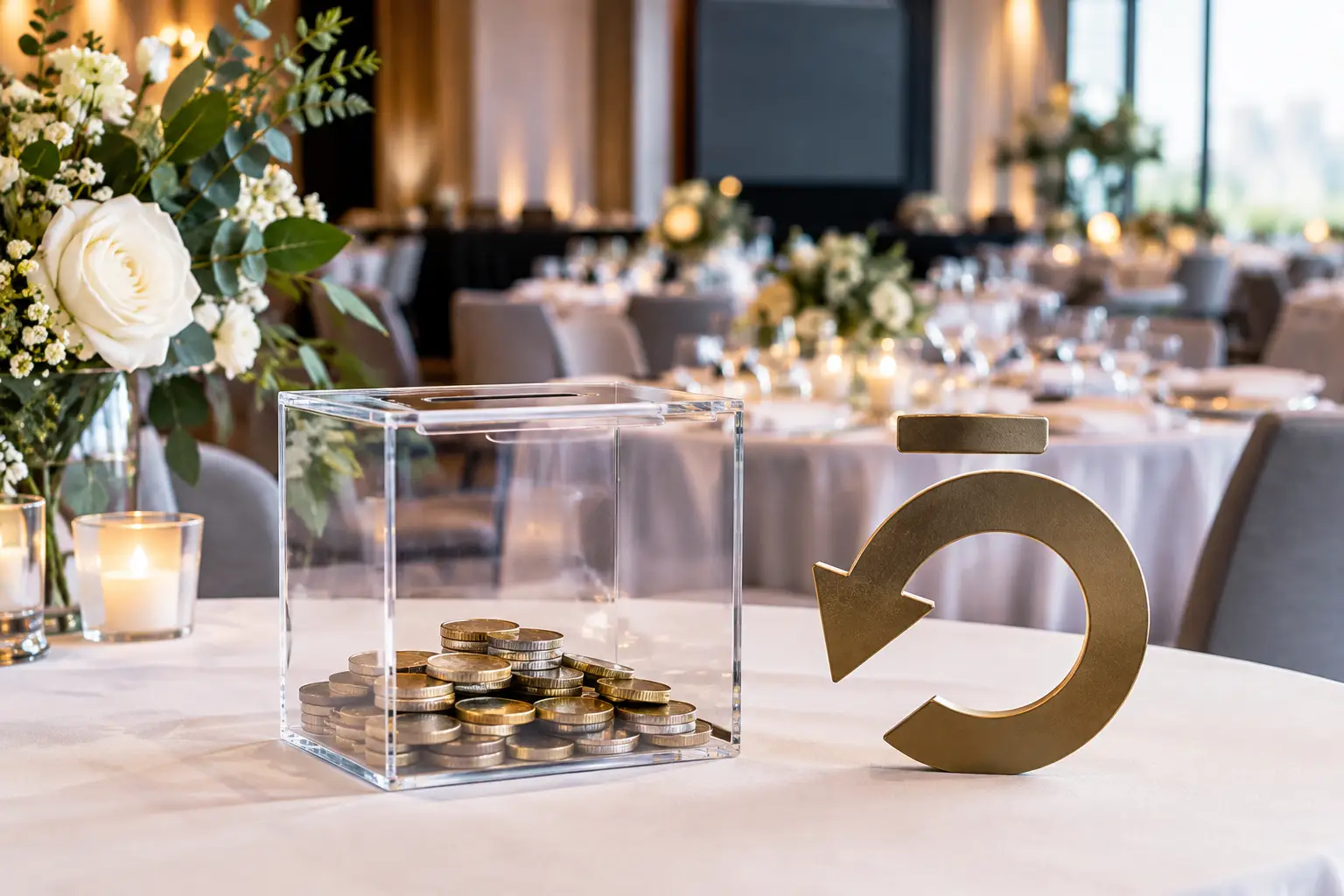
When are event deposits refundable? Understand contracts, cancellation terms and force majeure to protect your corporate event budget and booking plans.
Read more
Choose the best conference hotels for delegates with a practical checklist covering location, bedrooms, meeting space, service, budget and booking control.
Read more
Compare the best delegate management platforms for corporate events, from registration and payments to reporting, integrations and hands-on support teams.
Read more
Copyright International Events Incorporated.
All rights reserved
Copyright International Events Incorporated.
All rights reserved

Fill in the following details. We respect your privacy, we don’t spam.
Fill in the following details. We respect your privacy, we don’t spam.  Or call us on 07715 242282
Fill in the following details. We respect your privacy, we don’t spam. Or call us on 07715 242282


 Enquire now


