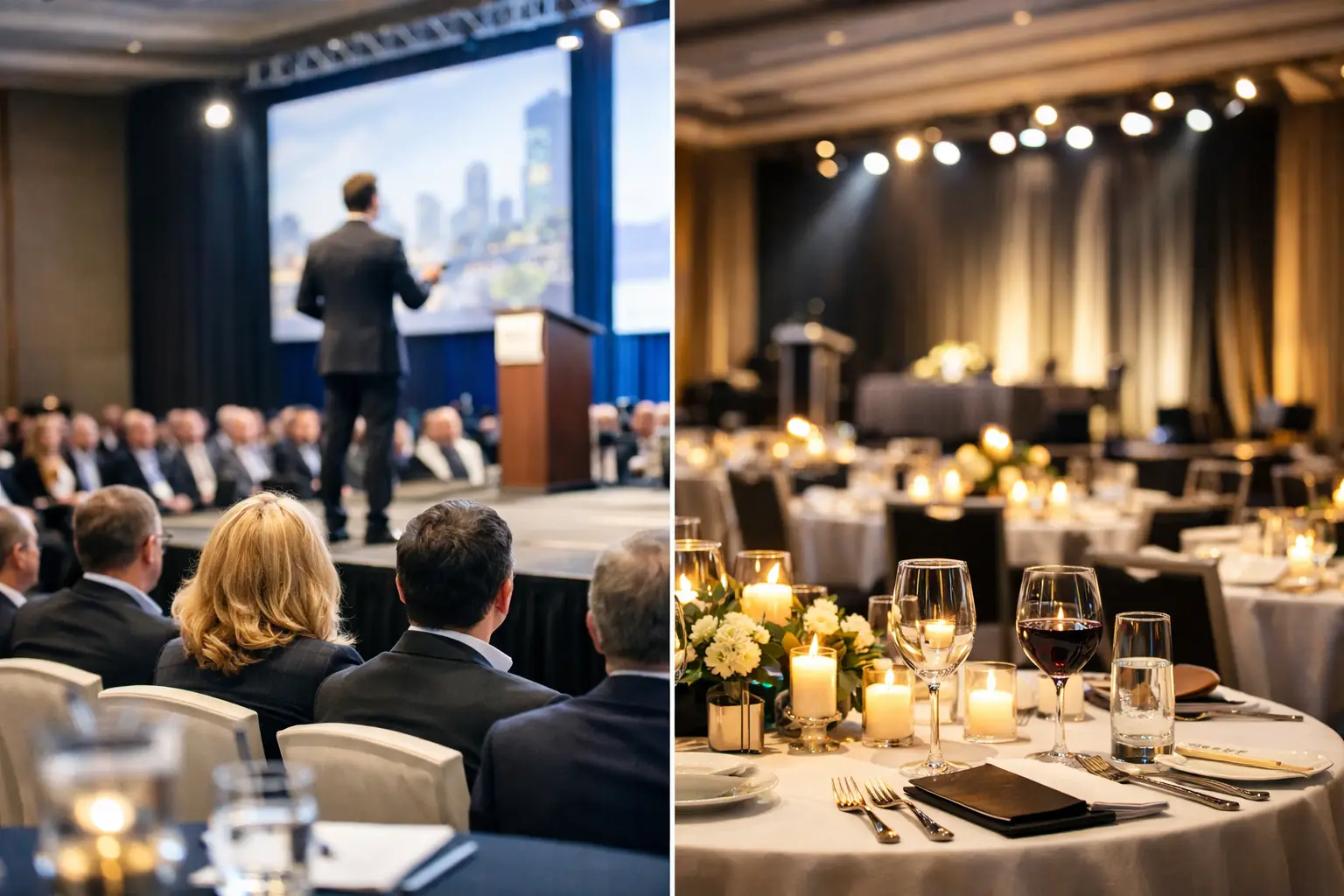
A corporate conference rarely goes wrong because of one dramatic failure. More often, it slips off course through a series of small misses – a venue that is too tight for networking, hotel allocations that were left too late, an agenda with no breathing room, or AV planning based on assumptions rather than fact. If you are working out how to run corporate conferences successfully, the real task is not simply getting the event live. It is creating control early enough that the event feels calm, professional and on brand by the time delegates walk through the door.
For most internal teams, the pressure comes from three directions at once: time, budget and expectations. Senior stakeholders want visible results. Delegates expect a polished experience. Procurement wants cost discipline. The right approach is practical rather than flashy. Strong conferences are built on clear decisions, a realistic timeline and one coordinated plan that covers venue, content, logistics and accommodation together.
The planning process should start before any venue search begins. A vague brief almost always creates wasted time, unsuitable proposals and budget drift. You need enough clarity to make quick decisions and give suppliers the right parameters from day one.
Start with the purpose of the event. Is it a sales conference designed to motivate and align teams? A leadership event for senior decision-makers? A client conference where brand perception matters as much as the agenda itself? The answer shapes almost everything that follows, from room layout and production values to catering style and guest communications.
Numbers matter too, but not just the headline attendance figure. You need to know your minimum and maximum delegate range, whether numbers are fixed or likely to move, and how many attendees require bedrooms. A conference for 150 delegates with 80 overnight guests is a very different operational job from a day event for 150 in a city centre hotel.
Budget should also be broken down realistically. Too many teams set one top-line figure without separating venue hire, food and drink, bedrooms, production, branding, travel, speaker support and contingency. That can make an event look affordable on paper when it is not. A good brief gives you cost visibility early, which makes negotiation stronger and approvals easier.
When clients ask how to run corporate conferences effectively, venue choice is usually where the biggest gains or losses sit. The wrong venue creates knock-on problems across registration, catering, delegate flow, production and cost. The right venue reduces pressure immediately.
Capacity is the obvious starting point, but layout is just as important. A room that technically holds your numbers may still feel cramped once staging, screens and camera positions are added. Equally, an oversized room can flatten energy and make the audience look sparse. You need to assess not just what fits, but what works.
Location needs the same level of scrutiny. A central site may improve attendance and simplify travel, but it can also raise rates and restrict loading access. An out-of-town venue may deliver better value and easier parking, yet increase transport planning and overnight demand. There is no universal right answer. It depends on your delegate profile, schedule and objectives.
Accommodation should be considered alongside the venue, not afterwards. If your event requires bedrooms, the best conference space is not always the best total solution. Hotel availability, rate protection, cut-off dates and rooming list management all affect both budget and admin load. This is where a joined-up sourcing approach saves time and avoids last-minute pressure.
Many conferences are over-programmed. Stakeholders want every update included, every speaker on stage and every business priority covered. The result is often a full agenda that feels slow, repetitive and difficult to absorb.
A stronger agenda respects delegate attention. That means balancing high-value content with enough change in format to keep the room engaged. Keynotes, panels, short presentations, Q&A sessions and facilitated discussion all have a role, but they need to be sequenced carefully. A run of similar sessions can drain energy even when the content is good.
Timing is another common pressure point. Sessions that overrun create problems for catering, filming, transport and check-in. Build realistic transition time into the schedule. If a speaker says they need 20 minutes, you may need 30 once walk-on, introductions and audience questions are included.
Networking deserves proper planning too. If relationship-building is one of the reasons for holding the conference, breaks cannot be treated as filler. They need enough space, suitable catering points and an environment where people can actually speak comfortably. Otherwise the event becomes a series of presentations rather than a conference with business value.
Good conference delivery often looks effortless from the outside because the detail has been handled in advance. Registration, signage, staging, room sets, dietary requirements, speaker logistics, Wi-Fi capacity and transfer timings may not be glamorous, but they shape the delegate experience more than most people realise.
The best way to manage this is through one master plan. Every supplier and stakeholder should be working from the same latest version, with clear ownership against each task. If information sits in separate email chains, spreadsheets and slide decks, mistakes become more likely.
Site visits are worth the time. They allow you to test assumptions before they become live issues. You can check room flow, branding positions, backstage access, catering locations and holding areas for speakers. Small details picked up during a venue recce can prevent expensive changes later.
Production should never be left until the final stretch. AV costs, screen requirements, confidence monitors, microphones, lighting and content playback all need to be scoped early. A simple conference can become costly if technical needs are added reactively. Equally, cutting production too hard can make the event feel underpowered. The right level depends on audience expectations, room size and the importance of the messaging.
Budget control is not about choosing the cheapest option. It is about understanding where spend creates value and where it does not. Conference costs can escalate quickly when decisions are delayed, numbers are unclear or requirements change late in the process.
Early negotiation helps. Venue rates, day delegate packages, bedroom terms, cancellation clauses and added-value extras are often more flexible than they first appear, particularly when discussions are handled by someone who understands supplier margins and market conditions. Speed matters here. The strongest options do not stay open for long.
It is also wise to identify your non-negotiables. If plenary space, delegate bedrooms and reliable production are critical, protect those first. Decorative extras, upgraded menus or non-essential breakout rooms may be easier places to adjust if budgets tighten.
Contingency should be built in from the start. Last-minute attendees, speaker changes, additional printing or transport requirements are common. A budget with no room for movement usually becomes a problem budget.
Internal communication is just as important as delegate communication. Senior stakeholders need visibility without being pulled into every operational detail. Speakers need briefing notes, deadlines and clear expectations. Delegates need concise information at the right moments, not long emails they are unlikely to read fully.
Keep messaging simple and timely. Confirm the essentials early, then layer in practical information closer to the event. If accommodation, transfers or pre-event selections are involved, give delegates clear deadlines and one route for responses. This reduces chasing and makes final reconciliation far easier.
For internal teams, decision-making should be structured. Too many contributors without clear authority can slow progress and create inconsistent direction. One lead contact, supported by a documented approval process, usually keeps delivery on track.
By the time the conference opens, most success factors should already be locked in. Event day should be focused on coordination, issue resolution and maintaining standards rather than solving preventable problems.
A detailed running order is essential. Everyone from venue operations and AV technicians to registration staff and speaker handlers should understand timings, cues and escalation routes. Brief your team properly and allow enough time before doors open for final checks.
Problems may still happen. A delayed speaker, a changed dietary request or a room temperature issue is not unusual. What matters is how quickly they are dealt with and whether ownership is clear. Calm, centralised management protects the delegate experience.
This is where an experienced event partner can remove substantial pressure. A service-led team that manages venue liaison, accommodation sourcing and operational delivery through one point of contact gives internal stakeholders more control with less admin. For organisations running under tight timelines, that can be the difference between scrambling and delivering with confidence.
The most effective conferences do not feel complicated to the people attending them. They feel well judged, well paced and professionally run. If you focus on clear objectives, fast and informed venue decisions, disciplined logistics and firm cost control, the event has every chance of landing exactly as it should – with your team looking organised, credible and fully in control.

Choose the best conference hotels for delegates with a practical checklist covering location, bedrooms, meeting space, service, budget and booking control.
Read more
Compare the best delegate management platforms for corporate events, from registration and payments to reporting, integrations and hands-on support teams.
Read more
See a corporate event budget savings example showing how focused venue sourcing, hotel strategy and tighter supplier control can reduce your total spend.
Read more
Copyright International Events Incorporated.
All rights reserved
Copyright International Events Incorporated.
All rights reserved

Fill in the following details. We respect your privacy, we don’t spam.
Fill in the following details. We respect your privacy, we don’t spam.  Or call us on 07715 242282
Fill in the following details. We respect your privacy, we don’t spam. Or call us on 07715 242282


 Enquire now


